There is no single best time to visit Hunza. Each season offers something different, and the right choice depends on what you want to see and how much weather uncertainty you are comfortable with.
Spring: late March and April
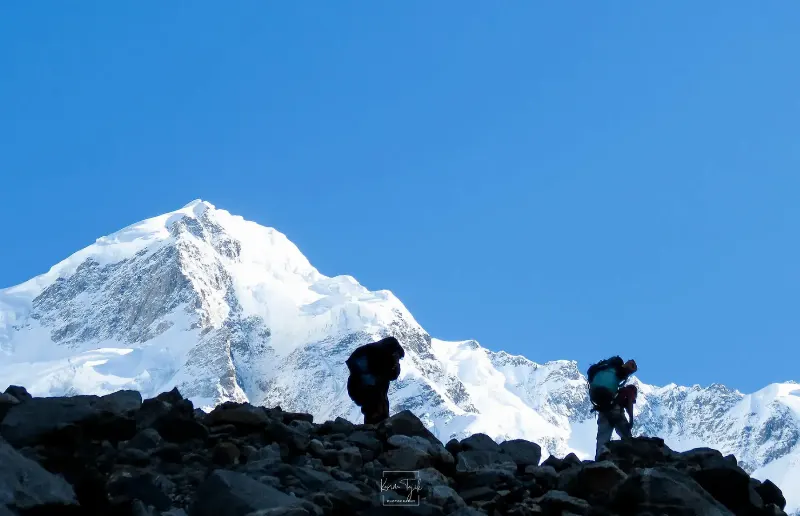
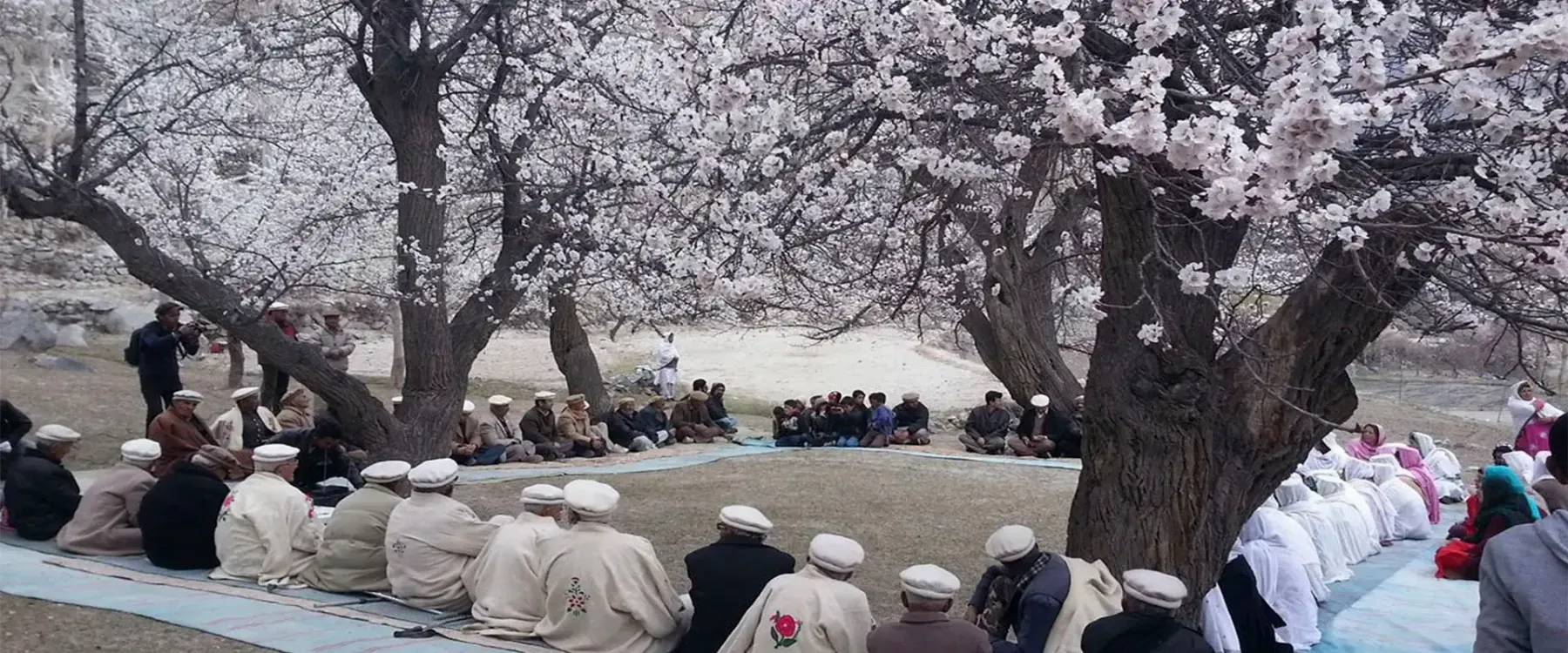
The apricot and cherry orchards flower, and the high peaks are still white with snow. Days are cool and the valley is quiet. The exact blossom dates change from year to year with the weather, so we check conditions before fixing your dates.
Summer: May to August
This is the most comfortable time for travel and trekking. Days are warm, the valley is green and the higher routes are open. Heavy rain on the Karakoram Highway south of Hunza can cause landslides and delays, so we keep some flexibility in the plan.
Autumn: September and October
The harvest is in, the air is clear and the poplars and orchards turn gold and red in October. Many visitors consider this the most beautiful season. Nights are cold, especially in Upper Hunza.
Winter: November to March
Winters are cold, with snow in the valley and on the roads. Some high routes close, and fewer hotels and restaurants stay open. It suits travellers who want quiet and are happy to be flexible.
How to choose
- Blossom and snow-capped views: late March to April
- Trekking and the longest days: June to August
- Autumn colour and clear skies: October
Tell us your dates and what you most want to see, and we will say honestly what to expect.